


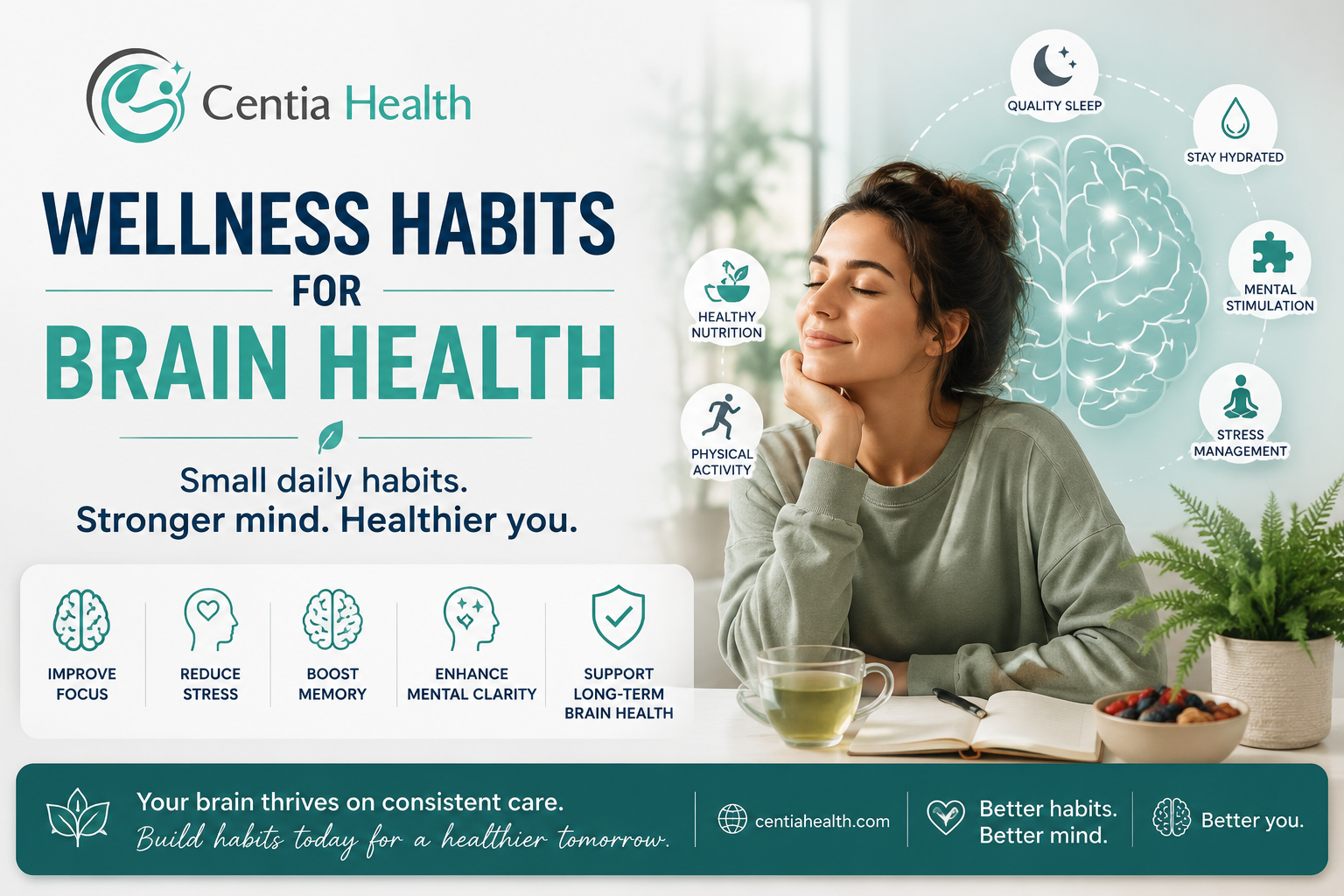
Wellness Does Not Have To Be Complicated, Expensive Or Perfectly Optimized
There is no shortage of advice about how to become healthier.
Every week seems to bring a new morning routine, supplement, diet or productivity strategy promising to improve your energy, sharpen your thinking and transform your life. With so much information competing for our attention, wellness can begin to feel like another demanding project.
But your brain does not need a perfect routine.
The habits which support mental wellness are often much simpler than the trends make them sound. Restful sleep, regular movement, nourishing food, meaningful connection and opportunities to recover from stress all contribute to how we think, feel and function.
The challenge is not finding a secret formula. It is finding realistic ways to support these basic needs within the life you already have.
The Foundations Your Brain Depends On
When people think about brain health, they may picture puzzles, supplements or techniques designed to improve concentration. Those things receive plenty of attention, but some of the most meaningful ways to support the brain are also the most familiar.
Your brain is part of your body. It is affected by whether you are sleeping, moving, eating regularly, managing stress and connecting with other people.
These habits cannot prevent every mental health condition and they are not substitutes for appropriate treatment. However, they provide an important foundation for emotional well-being, attention, memory and resilience.
Sleep
Sleep is not simply a period when the body shuts down.
While we sleep, the brain continues to perform important work related to memory, learning, emotional processing and physical restoration. When sleep is regularly interrupted or cut short, it can become harder to concentrate, regulate emotions and respond patiently to stress.
Most healthy adults need at least seven hours of sleep each night, although individual needs vary. Sleep quality matters, too. Spending eight hours in bed does not necessarily mean someone is receiving eight hours of restful sleep.
A consistent bedtime will not solve every sleep problem, but predictable routines can help prepare the brain and body for rest. Dimming the lights, reducing screen use and doing the same calming activity each evening can signal that the day is ending.
If you regularly struggle to fall asleep, wake throughout the night or feel exhausted despite spending enough time in bed, it may be worth discussing those concerns with a healthcare professional.
Movement
Exercise is often discussed in terms of weight or physical appearance, but movement also matters for the brain.
Physical activity can support memory, problem-solving and emotional balance. It may also help reduce symptoms of anxiety and depression.
You do not need to become an athlete to benefit.
Walking, gardening, dancing, stretching or playing outside with your children all count as movement. The most effective form of physical activity is usually one that is safe, accessible and realistic enough to repeat.
The goal is not to punish your body. It is to give your brain and body opportunities to move.
Nutrition and Hydration
The brain needs a steady supply of energy and nutrients to function well. Skipping meals, becoming dehydrated or relying on highly restrictive eating patterns can leave some people feeling tired, irritable or mentally foggy.
Healthy eating does not require perfection. It can begin with simple choices such as eating at regular times, drinking enough water and including a variety of foods when possible.
It is also important to be cautious about treating food or supplements as cures for mental health conditions. Nutrition can support mental wellness, but it does not replace a thorough evaluation, psychotherapy or medication when those treatments are needed.
Social Connection
Human beings need connection.
Supportive relationships can give us a sense of belonging, care and value. Social connection is associated with both mental and physical health, while prolonged loneliness and isolation can affect well-being.
Connection does not have to mean having a large social circle or attending crowded gatherings. It may look like sharing a meal with someone you trust, calling a family member, speaking with a neighbor or participating in a faith or community group.
The quality of our relationships often matters more than the number of people around us.
It is also possible to feel lonely in a room full of people. Social wellness is not only about being near others. It is about feeling known, supported and able to be honest.
Recovery from Stress
Stress is an unavoidable part of life. The brain is capable of responding to short-term challenges, but it also needs opportunities to return to a calmer state.
Without recovery, one stressful experience can begin to blend into the next. You may find yourself checking your emails late at night, replaying conversations while trying to sleep or moving from one responsibility to another without a meaningful pause.
Stress management does not always require meditation retreats or hours of free time. It might mean taking a brief walk, breathing slowly for a few minutes, listening to music, praying, journaling or sitting quietly before moving on to the next part of your day.
The purpose is not to eliminate every difficult feeling. It is to give your nervous system opportunities to recover.
These habits work together.
Poor sleep can make stress harder to manage. Chronic stress can interfere with sleep. Isolation can affect motivation while movement can create opportunities for connection. When one area improves, it may become easier to care for the others.
You do not have to improve everything at once.
Choose the area that feels most manageable and begin there. Your brain benefits from consistent care, even when that care is imperfect.
Why Your Brain Likes Routine?
Routines reduce the number of decisions we have to make throughout the day.
When a helpful behavior becomes part of a familiar pattern, it requires less planning and negotiation. You do not have to decide from the beginning each day whether you will take your medication, eat breakfast, go for a walk or prepare for bed. The routine provides a structure to follow.
This does not mean every minute of your day needs to be scheduled.
A healthy routine should support your life rather than control it. It can be as simple as:
- Drinking a glass of water after waking up
- Taking medication at the same time each day as prescribed
- Going outside during your lunch break
- Calling someone you care about every Sunday
- Beginning your bedtime routine at a consistent time
It is usually easier to build a new habit around something you already do. For example, you might stretch after brushing your teeth or take a short walk after dinner.
Start small enough that the habit still feels possible on a busy day.
Movement Counts Even When It Does Not Look Like Exercise
Some people hear the word “exercise” and immediately imagine a gym, an intense class or a long workout.
That narrow definition can make movement feel inaccessible.
Your brain does not require a particular outfit, membership or fitness level to benefit from physical activity. Walking around the block, cleaning the house, taking the stairs, gardening or dancing in your kitchen all involve movement.
For overall health, public health guidance recommends adults work toward at least 150 minutes of moderate-intensity activity each week along with muscle-strengthening activities on at least two days. However, you do not need to reach that goal immediately for your efforts to matter.
Five or ten minutes can be a meaningful beginning.
Rather than asking, “What is the perfect exercise routine?” consider asking, “What kind of movement could I realistically repeat?”
Consistency becomes easier when the activity fits your abilities, schedule and interests.
Frequently Asked Questions
Question: How much sleep do adults need?
Answer: Most healthy adults should aim for at least seven hours of sleep each night, though some people need more. Regularly feeling tired despite enough time in bed may be a sign that the quality of your sleep needs attention.
Question: Does exercise really help mental health?
Answer: Regular physical activity can support mood, memory, concentration and emotional balance. It may also help reduce symptoms of anxiety and depression, though it is not a replacement for professional treatment when treatment is needed.
Question: How can what I eat affect how I feel?
Answer: Irregular meals, dehydration and inadequate nutrition can affect energy, concentration and mood. Nutrition is one part of mental wellness, but no single food or diet can treat every mental health concern.
Question: Should I take supplements for brain health?
Answer: Not automatically. Supplements can interact with medications, cause side effects or provide more of a nutrient than your body needs. Talk with a qualified healthcare professional before beginning a supplement, particularly if you take prescription medication.
Question: How long does it take for a healthy habit to make a difference?
Answer: There is no universal timeline. Some changes, such as taking a short walk or getting a more restful night of sleep, may help you feel better quickly. Other benefits develop gradually. Focus on whether a habit is helping and whether it is realistic enough to continue rather than expecting an immediate transformation.
My Prompt to Reflect
Take a moment to consider the five foundations discussed in this issue:
Sleep. Movement. Nutrition. Connection. Recovery from stress.
Which one has been receiving the least attention in your life lately?
Rather than trying to improve all five at once, choose one small action you could take this week.
It might be going to bed 20 minutes earlier, taking a short walk, eating lunch before the afternoon is nearly over or reaching out to someone you miss.
Ask yourself:
What is one form of care my brain has been asking for that I have been too busy to notice?
A Final Thought
Supporting your brain does not require a perfect routine. It begins with paying attention to the basic needs that are easy to overlook when life becomes busy.
You may not change every habit at once. You may begin, stop and begin again. But each small choice to rest, move, connect or care for your body is still a meaningful investment in your mental wellness.
If you have been making healthy changes but continue to struggle with your mood, sleep, anxiety or concentration, know you do not have to navigate those concerns alone.
Feel free to reach out to my practice, Centia Health, at centiahealth.com or call (610) 400-4885.