


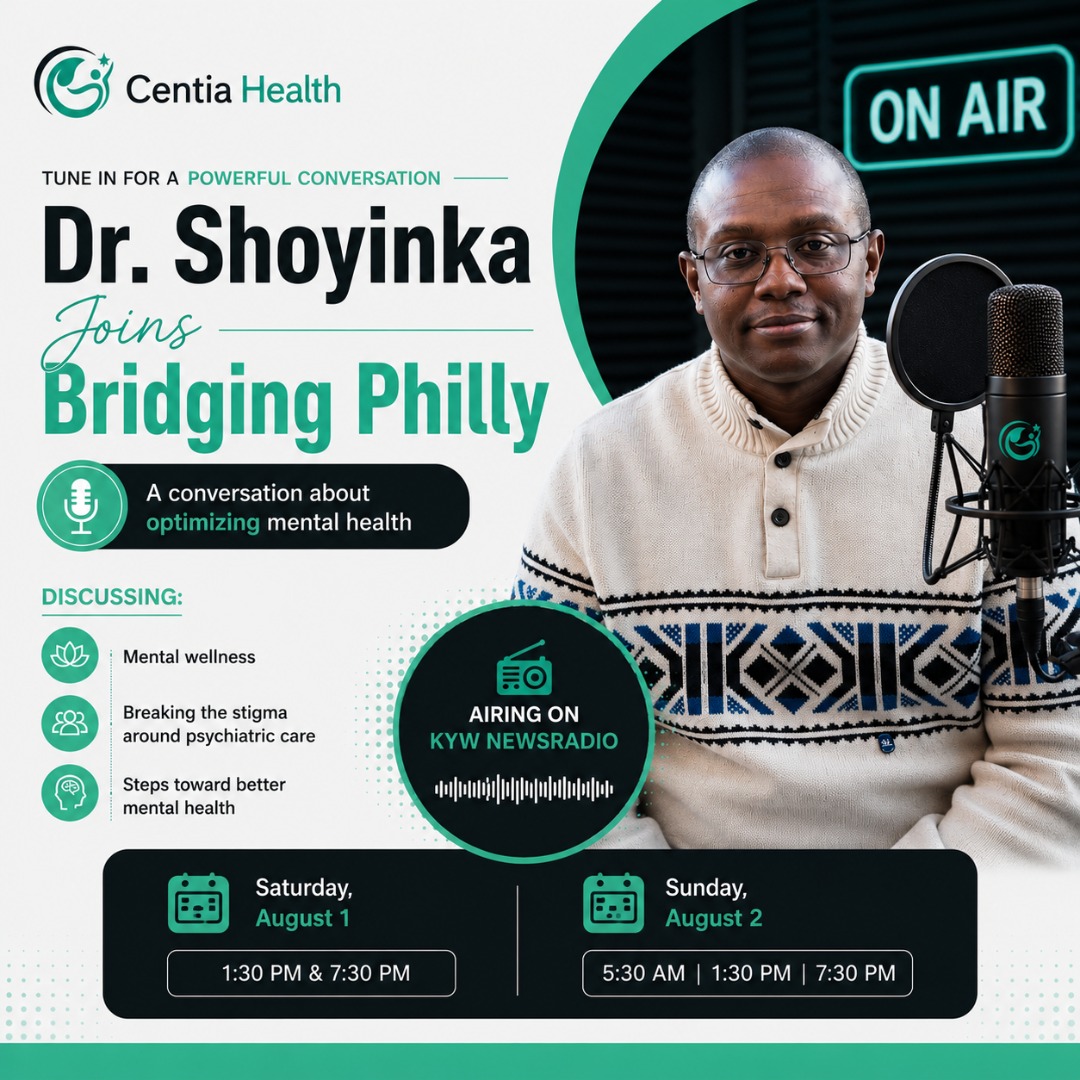
Dr. Sosunmolu Shoyinka on Bridging Philly Advancing Mental Health Through Compassionate Care
Mental health has become one of the most important conversations in healthcare today. As awareness continues to grow, healthcare professionals are seeking innovative, evidence-based strategies that improve patient outcomes while reducing stigma surrounding behavioral health conditions.
Dr. Sosunmolu Shoyinka, a respected leader in behavioral healthcare, recently joined Bridging Philly to discuss the importance of optimizing mental health, expanding access to compassionate care, and creating healthier communities. This conversation highlights how healthcare organizations, providers, and community leaders can work together to ensure individuals receive timely, personalized mental health support.
Whether you are a physician, therapist, nurse, social worker, or healthcare administrator, understanding today’s evolving mental health landscape is essential to improving patient care and overall wellness.
Why Mental Health Optimization Matters?
Mental health affects every aspect of physical, emotional, and social well-being. Anxiety, depression, stress-related disorders, trauma, and other behavioral health conditions impact millions of individuals every year.
For healthcare professionals, optimizing mental health means more than treating symptoms. It involves:
- Early identification
- Comprehensive psychiatric evaluations
- Personalized treatment planning
- Medication management when appropriate
- Ongoing therapeutic support
- Whole-person wellness strategies
Healthcare systems that integrate behavioral health into primary and specialty care consistently demonstrate improved patient satisfaction and better long-term health outcomes.
The Growing Need for Compassionate Mental Healthcare
Patients today expect more than clinical expertise. They seek providers who listen, understand, and create safe environments where mental health concerns can be discussed openly.
Compassionate care helps:
- Reduce stigma
- Improve treatment adherence
- Strengthen provider-patient relationships
- Encourage earlier intervention
- Support long-term recovery
Dr. Shoyinka emphasizes that compassion is not simply an added benefit—it is a critical component of quality behavioral healthcare.
Evidence-Based Mental Health Treatment
Modern psychiatric care combines clinical research with individualized treatment planning.
Evidence-based care may include:
Comprehensive Psychiatric Evaluation
A thorough assessment helps clinicians understand emotional, psychological, behavioral, and medical factors affecting mental wellness.
Medication Management
When clinically appropriate, medication management supports patients while minimizing side effects and maximizing treatment effectiveness.
Individualized Treatment Plans
Every patient has unique experiences, goals, and challenges. Personalized care plans improve engagement and overall treatment success.
Collaborative Care
Behavioral healthcare works best when psychiatrists, therapists, primary care providers, nurses, and families collaborate throughout treatment.
Bridging Mental Health Gaps in Communities
Many communities continue to face barriers including:
- Limited access to providers
- Financial challenges
- Cultural stigma
- Lack of education
- Transportation issues
- Delayed diagnosis
Community conversations like Bridging Philly play an important role in raising awareness while encouraging individuals to seek professional help earlier.
Healthcare professionals can also help bridge these gaps by:
- Educating patients
- Promoting preventive care
- Screening for mental health conditions
- Referring patients promptly
- Supporting integrated behavioral healthcare
Mental Wellness Is Preventive Healthcare
Preventive healthcare should include mental wellness alongside physical health.
Healthcare providers can encourage patients to:
- Manage stress proactively
- Prioritize quality sleep
- Exercise regularly
- Maintain healthy nutrition
- Build supportive relationships
- Seek help before symptoms worsen
Early intervention often leads to faster recovery and improved quality of life.
The Role of Healthcare Professionals
Healthcare professionals are uniquely positioned to improve mental health outcomes.
Key responsibilities include:
Recognizing Early Warning Signs
Behavioral changes, persistent sadness, anxiety, mood instability, sleep disruption, and declining daily functioning may indicate underlying mental health concerns.
Encouraging Open Conversations
Normalizing discussions around emotional health reduces stigma and empowers patients to seek care.
Coordinating Care
Integrated communication among providers leads to better treatment continuity and improved patient outcomes.
Supporting Families
Mental illness often affects entire families. Education and family involvement strengthen recovery efforts.
Why Community Education Matters?
Educational programs, radio discussions, podcasts, and community outreach continue to increase awareness about behavioral health.
Public conversations featuring healthcare leaders like Dr. Sosunmolu Shoyinka help communities understand:
- Mental illness is treatable.
- Early intervention improves outcomes.
- Recovery is possible.
- Compassionate care changes lives.
These messages encourage individuals to prioritize mental wellness just as they would physical health.
How Centia Health Supports Mental Wellness?
Centia Health is committed to delivering compassionate, patient-centered behavioral healthcare through evidence-based practices.
Services are designed to help individuals achieve better emotional wellness through personalized treatment plans that address each patient’s unique needs.
The organization’s commitment includes:
- Comprehensive psychiatric evaluations
- Medication management
- Individualized treatment planning
- Holistic behavioral healthcare
- Compassionate patient support
- Long-term wellness strategies
By combining clinical excellence with empathy, Centia Health continues to help individuals, families, and communities thrive.
Watch Dr. Sosunmolu Shoyinka on Bridging Philly
Don’t miss this important discussion on optimizing mental health and the future of compassionate behavioral healthcare.
Airing:
- August 1 & 2
- KYW Newsradio
- 103.9 FM
- 1060 AM
- Streaming online
- Podcast available
Healthcare professionals, patients, caregivers, and community members can all benefit from the valuable insights shared during this conversation.
Final Thoughts
Mental health is an essential part of overall health. As behavioral healthcare continues to evolve, compassionate, evidence-based care remains the foundation of successful treatment.
Healthcare professionals have an opportunity to transform lives by promoting early intervention, reducing stigma, supporting integrated care, and advocating for accessible mental health services.
Dr. Sosunmolu Shoyinka’s appearance on Bridging Philly reinforces the importance of these efforts while inspiring communities to prioritize mental wellness for everyone.
Learn more about Centia Health’s commitment to behavioral healthcare and mental wellness by visiting https://centiahealth.com.
Frequently Asked Questions
Why is optimizing mental health important?
Optimizing mental health improves emotional well-being, supports physical health, enhances quality of life, and helps individuals manage stress, anxiety, depression, and other behavioral health conditions more effectively.
What is compassionate behavioral healthcare?
Compassionate behavioral healthcare combines evidence-based treatment with empathy, respect, and personalized care to support long-term mental wellness.
Who should seek mental health services?
Anyone experiencing emotional distress, anxiety, depression, trauma, mood disorders, or significant life challenges can benefit from professional mental healthcare.
How can healthcare professionals improve mental health outcomes?
Healthcare professionals can promote early screening, educate patients, coordinate integrated care, reduce stigma, and encourage timely treatment.
Where can I learn more about Centia Health?
Visit https://centiahealth.com to learn more about behavioral health services, compassionate care, and mental wellness resources.